From Detection to Active Deterrence with Michele Molteni
- calendar_today October 28, 2026
- labelCase Studies
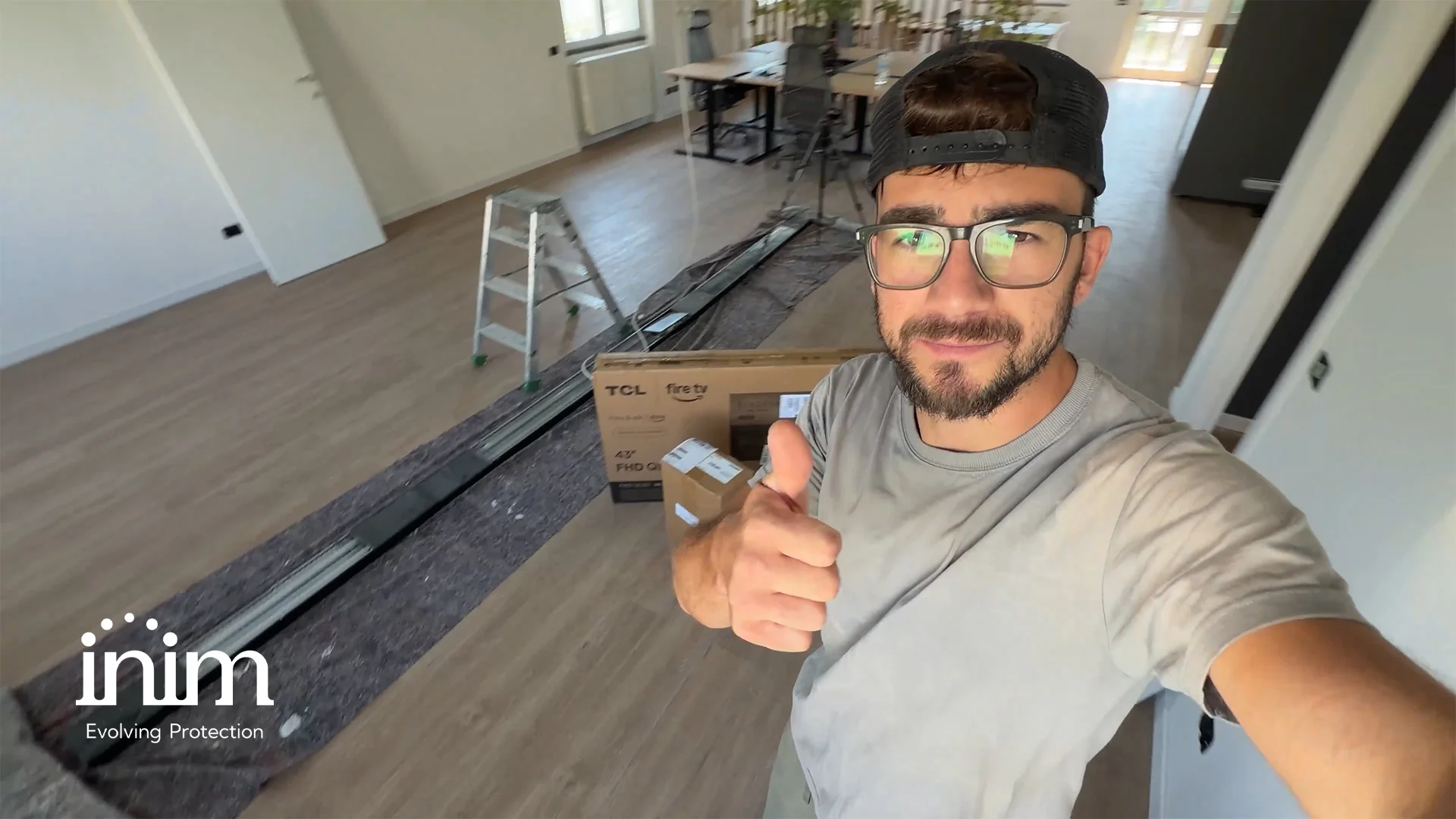
The Inim security system is expanding and raising the bar.
Detection is just the first step. What happens when the system can verify an event and react immediately? Let’s find out!
In the creative lab of Michele Molteni, a digital creator and YouTuber, sensors, cameras, an alarm control panel, access control systems, automation systems, and a fog generator now operate in a coordinated manner within the same Inim architecture.
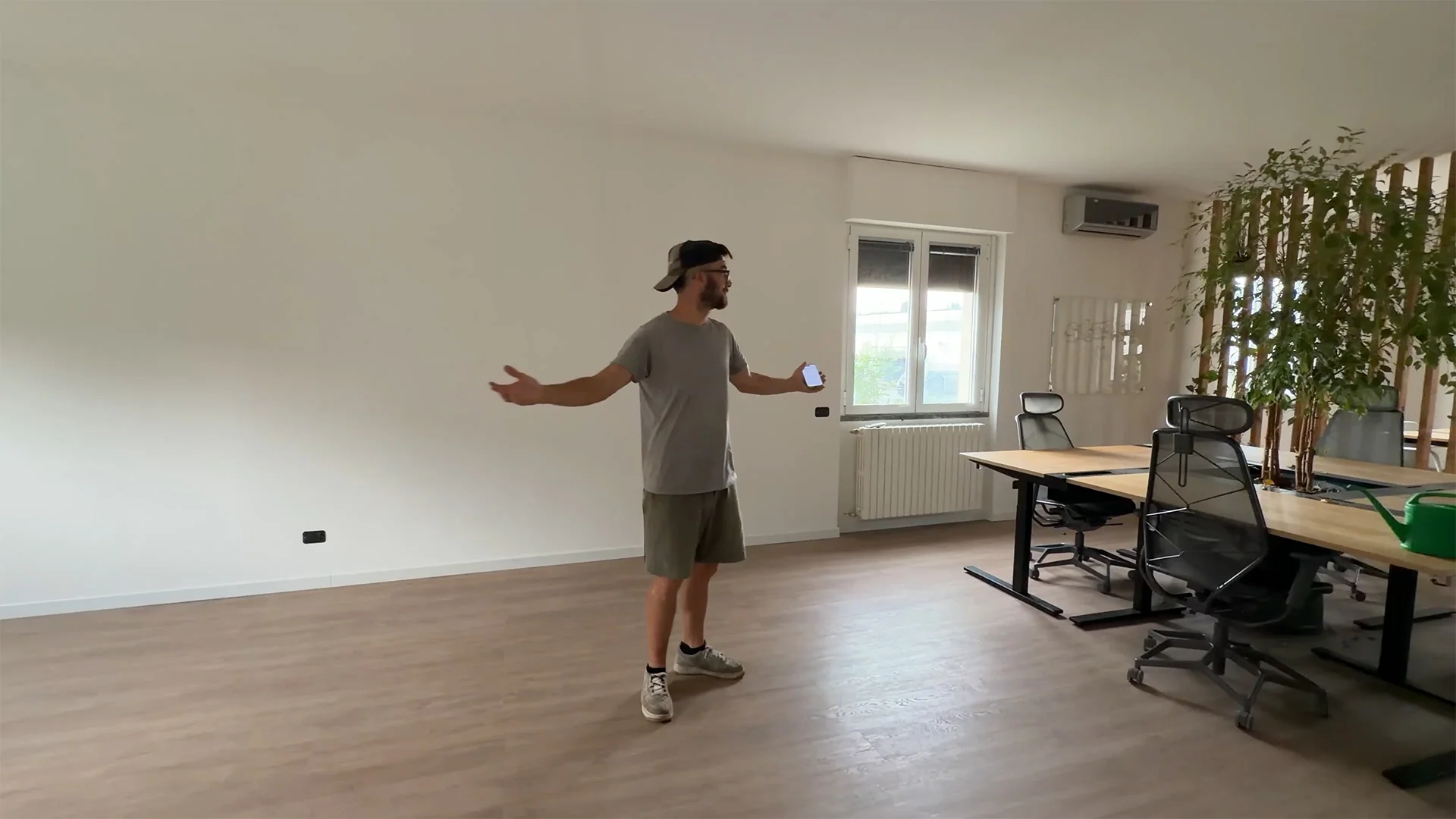
The first project, described in the first case study dedicated to Molteni, led Michele to upgrade the security system with InVista video surveillance: cameras and an NVR expanded monitoring of the laboratory, introducing video analytics, virtual lines, and video events, marking the transition from simple recording to understanding events through video analytics. This significant leap forward allowed him to monitor and view everything through the free app at Inim Home.
In the second phase, the level of security is raised and expanded even further to support him in his daily routine. The existing sensor systems are upgraded, the security room finally becomes fully operational, and the system extends its control to access points, automation, and climate control. The point, however, is not to add features, but rather the system’s ability to trigger actions in a coordinated manner that can be controlled remotely.
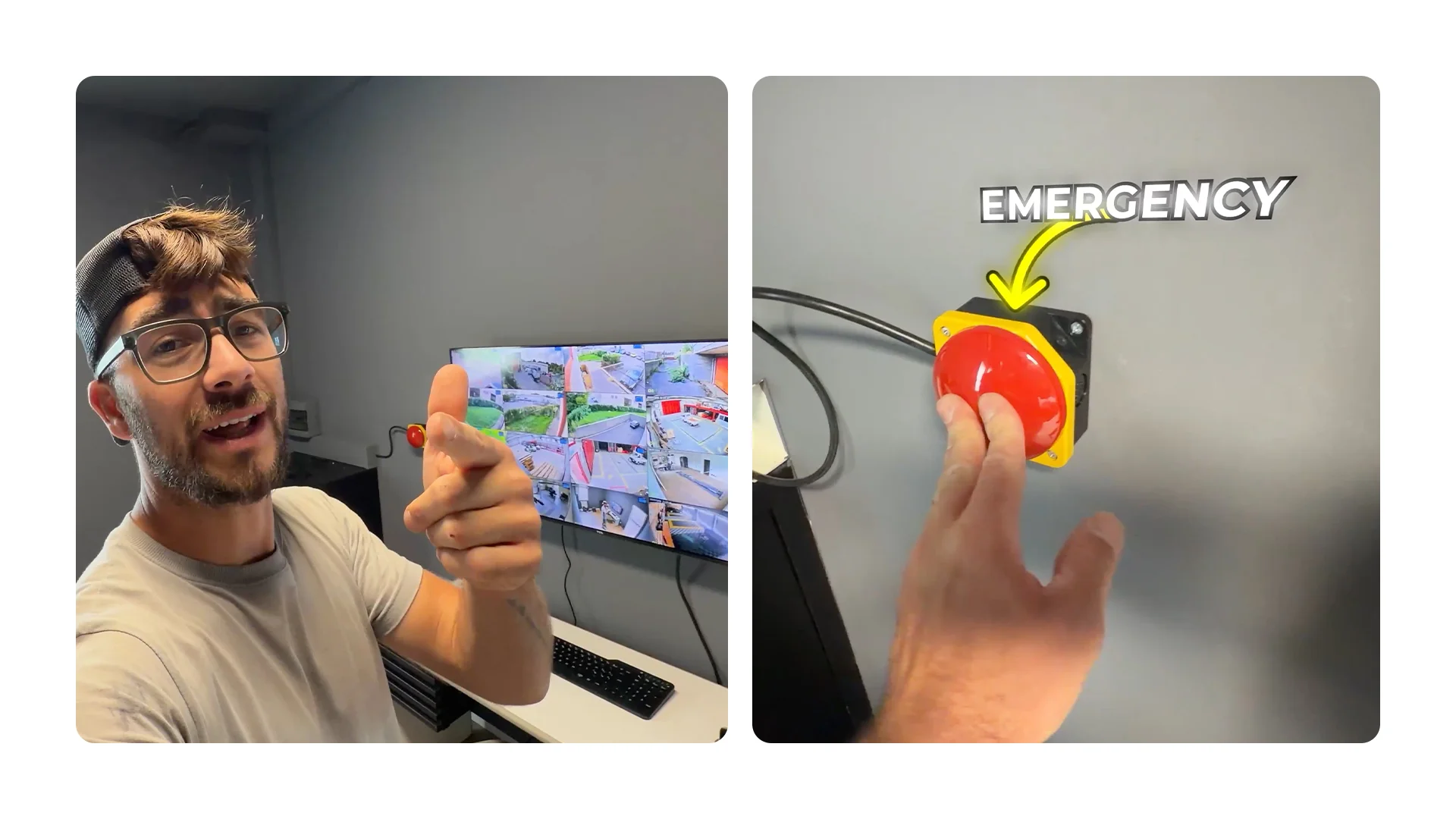
The security room as a control center
A reliable survey for each area covers 750 square meters
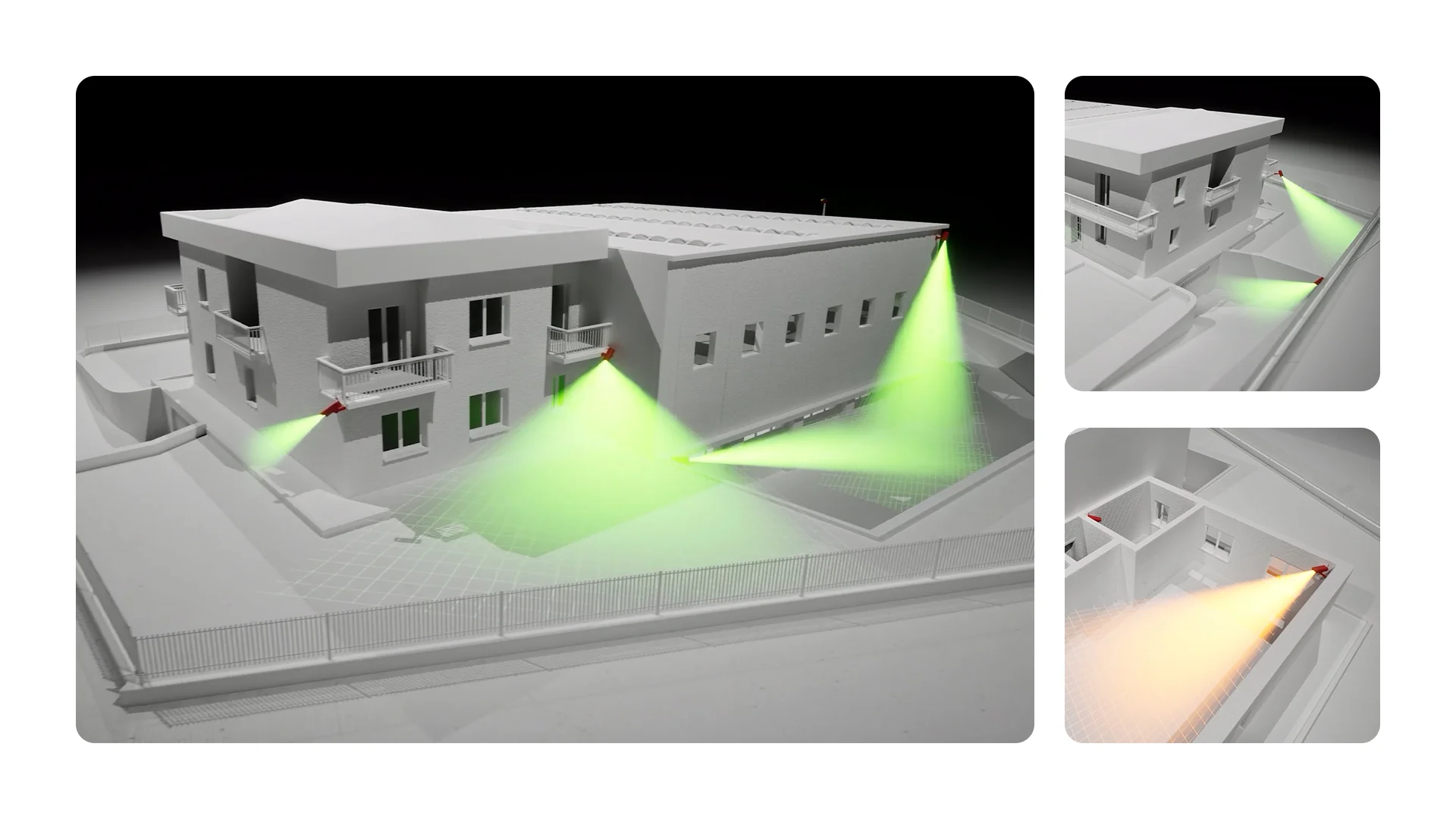
The previous sensors were replaced with new professional Inim detectors, installed at key locations in the laboratory, along with new InVista cameras. This retrofit was strongly advocated by Michele to ensure a state-of-the-art system that complies with legal requirements. Among the detectors selected by Michele’s installer are QTech dual-technology detectors, which combine infrared and microwave to ensure more reliable motion detection and reduce false alarms caused by environmental factors.
Why choose two types of roofing for a single project?
The sensors detect the event and transmit it to the control center at Prime 60; the cameras allow for visual verification, help determine the nature of the event, and track its progression. But that’s not all—the cameras themselves act as detectors through video analysis. The burglar alarm control center at Prime correlates this information and applies the configured rules, associating the appropriate actions with each detection. Intrusion detection and video surveillance thus operate as a single integrated system. Furthermore, Michele can now access his garage easily and instantly: the camera recognizes his vehicle’s license plate and allows the system to automatically manage access, without the need for remote controls, badges, or other steps. Making all this possible are the new IP license plate recognition cameras from the InVista LPR seriesseries, designed for license plate and vehicle recognition thanks to a specific algorithm integrated directly into the camera. With 4MP resolution and a 2.8–12 mm varifocal lens, they are ideal for outdoor installations in residential, commercial, and small industrial settings. NightView technology, combined with a high-sensitivity sensor and a frame rate of up to 60 fps, ensures effective detection even in low-light conditions and with moving vehicles. This solution is designed to make vehicle entry and exit management, access control, and smart parking systems smarter .
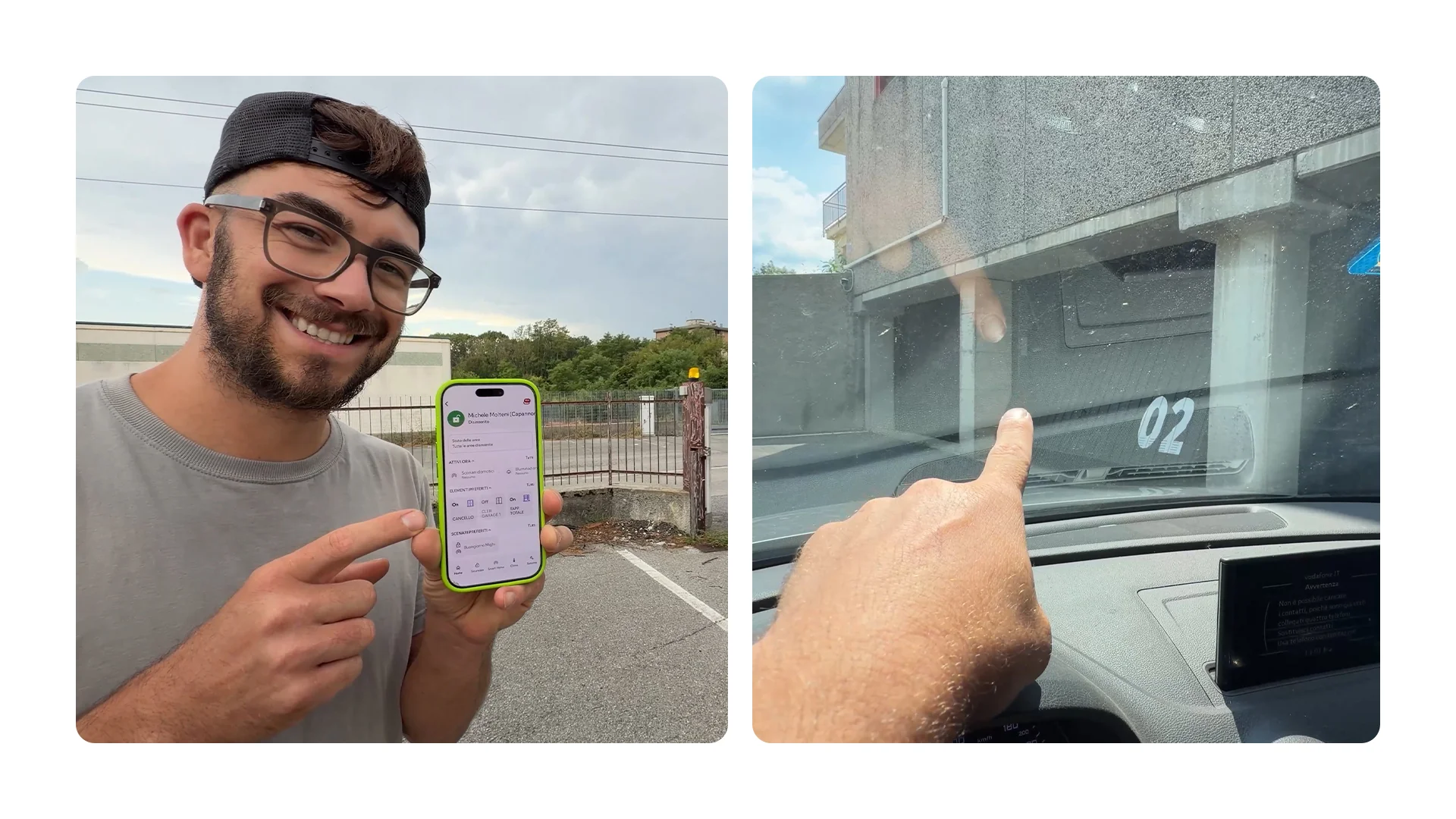
What role does a professional installer play in system configuration? It is essential.
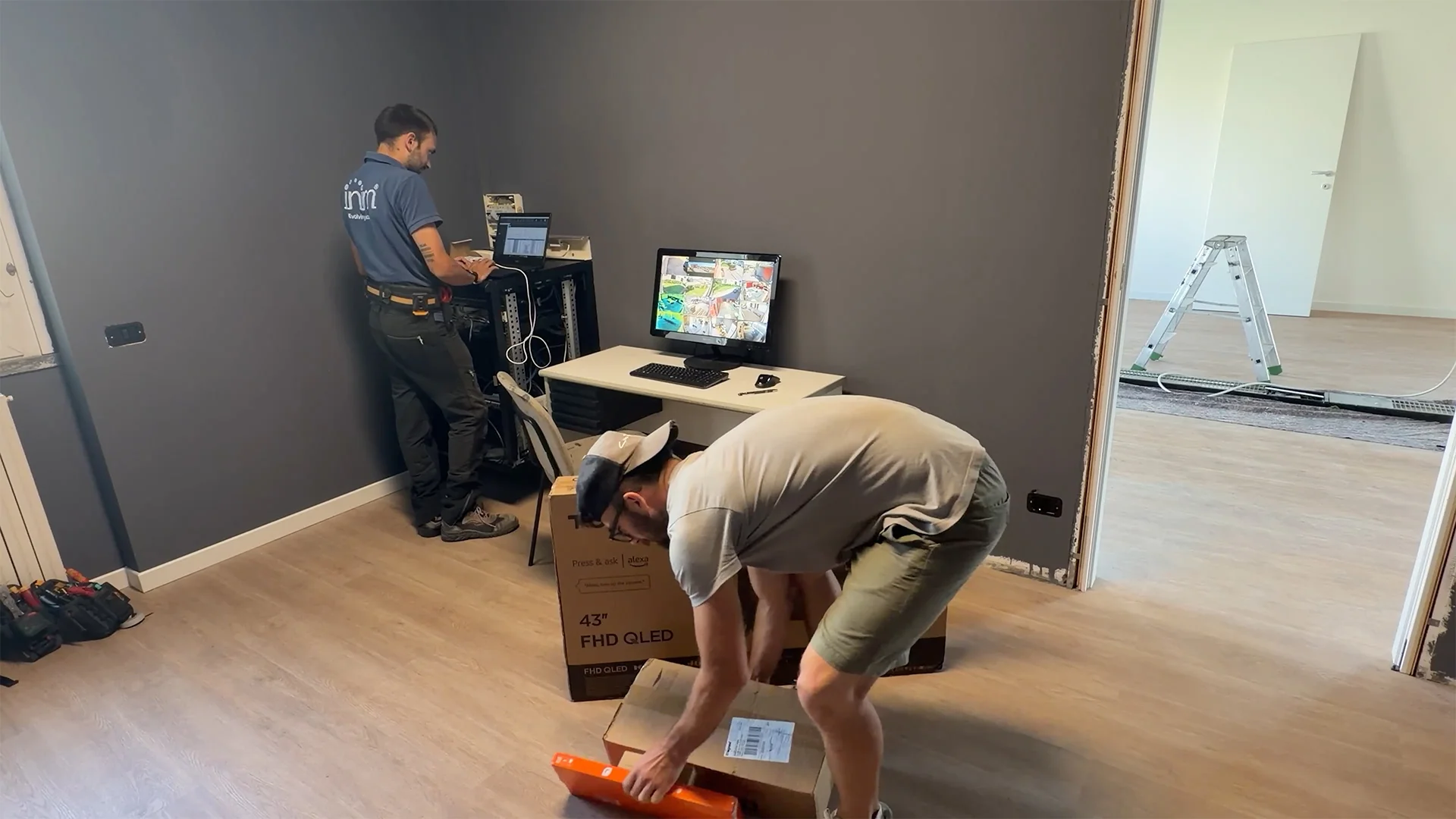
To tailor the system to the characteristics of the spaces and the activities carried out there, the installer determines the placement of the devices, the areas to be protected, the activation conditions, and the actions associated with each event, thereby effectively coordinating detection and response . Read on to learn how Luca, Michele’s trusted installer, built a system that serves as a true active deterrent.
When the system goes beyond mere detection to become an active deterrent
Detecting an intrusion means recognizing that something is happening and reporting it. Active deterrence goes a step further: it makes the system’s response immediately noticeable, with the goal of discouraging or preventing the action from continuing.
In the laboratory, for example, the detection of someone climbing over a fence can trigger the automatic activation of outdoor lights. The light improves visibility in the area, but it also signals to anyone within the perimeter that their presence has been detected. The system no longer merely observes but intervenes in the situation while the event is unfolding.
Intrusion-Proof: When Technologies Work Together
In the video, Michele goes so far as to stress-test the system by creating a simulated intrusion. At one point, the installer crosses the fence: crossing the virtual line—which is activated by the camera’s logic—triggers a notification. Using the app Inim Home, Michele monitors and verifies the intruder’s presence through the cameras and tracks his movements around the building.
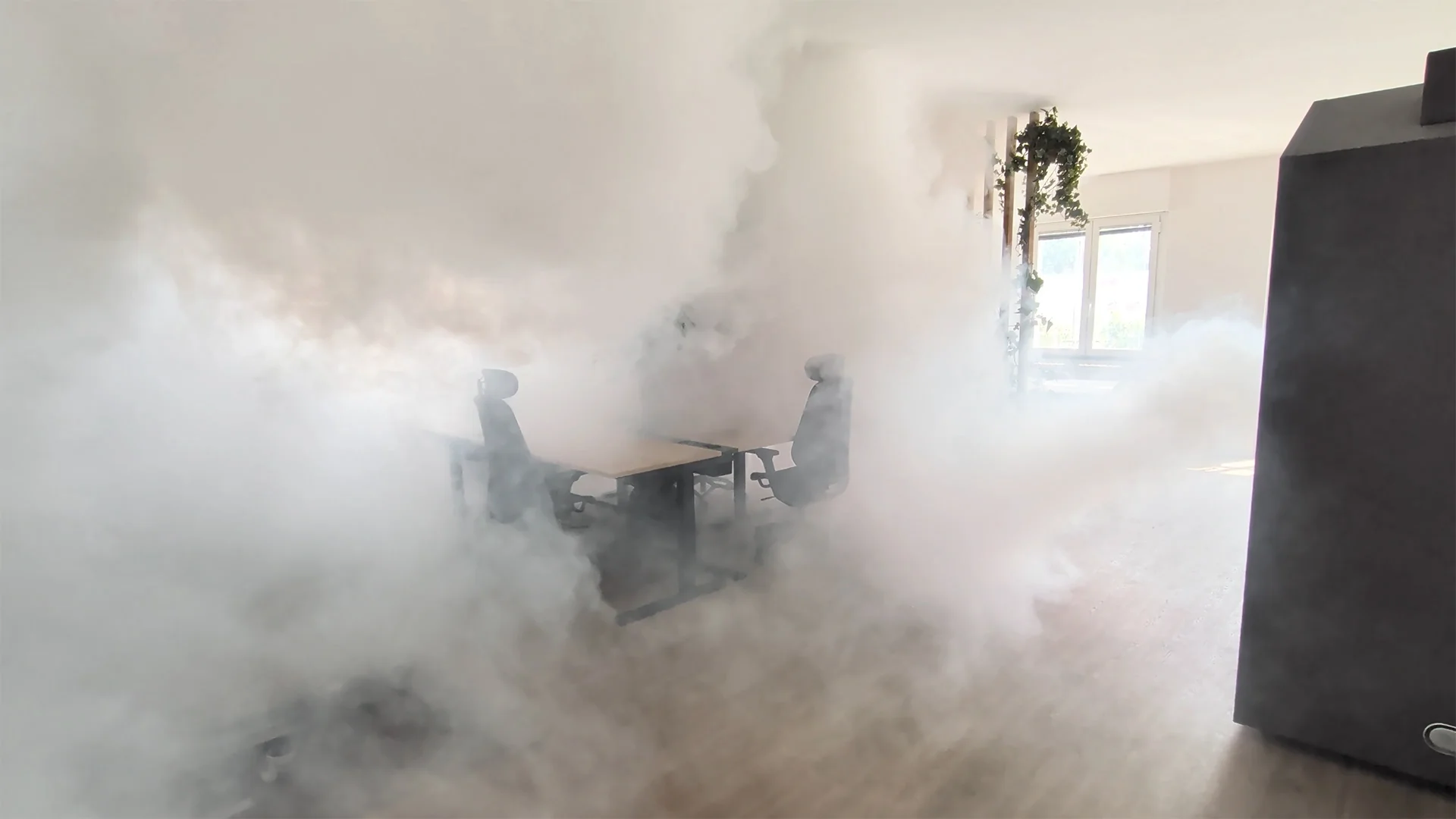
Entering the offices triggers the next level of protection. The internal detection system generates an alert, prompting the Prime security control panel to activate the alarm and trigger the InFOG fog generator according to the pre-set programming. Within seconds, the room is filled with fog and visibility is drastically reduced. This demonstration of how an Inim alarm system goes beyond standard security solutions highlights the difference between the reaction of a single device and the response of an entire system. The event is detected, verified, and linked to the actions configured by the installer.
Why InFOG? It raises the level of active deterrence.
If turning on the lights makes it clear that a presence has been detected, InFOG introduces an additional level of protection and active deterrence. This is a high-level deterrent because Inim’s InFOG fog-generating system acts directly on the environment, rapidly creating a barrier that limits visibility and hinders attempted theft. InFOG is designed to be natively integrated with Inim burglar alarm control panels. When an alarm condition occurs, the system can trigger its activation according to the logic defined during programming. Within seconds, the fog drastically reduces visibility in the area, hindering the intruder’s actions and helping to protect people and property at the most critical moment. For the installer, this means being able to offer a solution integrated into the Inim architecture, where detection, verification, and response work together according to a security strategy that can be configured to meet the system’s specific needs.
During the test with Michele, the dispenser fills the office with fog in just a few seconds, making it difficult to distinguish objects, pathways, and access points. This is not toxic smoke. InFOG uses a food-grade, non-toxic liquid designed to leave no residue, making it suitable even for sensitive environments. However, the reduced visibility does not interfere with control of the event. In the situation shown in Molteni’s video, the thermal camera continues to provide information on the installer’s presence inside the office. While InFOG thwarts the intrusion, the system thus maintains a means of monitoring the protected area through thermal technology, allowing Michele to escape, secure all his spaces, and call law enforcement. Law enforcement intervention can be requested following the activation of the alarm or managed through a security monitoring service, with which Inim systems can be integrated.
Finally, the red button
In the second simulation, Michele and his team simulate an unauthorized entry scenario different from the previous one. For this reason, Michele specifically asked his installer to customize the security system to an even higher level. He is inside the lab and notices people attempting to enter. He goes to the security room, locks the entrance, and uses the cameras to monitor their movements. When the intrusion occurs and the thieves are inside the room, Michele presses the red button! The command activates the scenario predefined by his installer: the office shutters close, the designated exit from the security room opens, and InFOG kicks into action. Michele can then leave the area, while the fog reduces visibility to zero and hinders the intruders’ actions. In this scenario, InFOG exemplifies the most concrete manifestation of active deterrence because it directly alters the environmental conditions. The other automation systems complement and reinforce the response, protecting the various areas and facilitating the removal of intruders. Deterrence thus becomes a systematic strategy, designed and coordinated before the event occurs.
The ability to coordinate multiple technologies isn’t limited to alarm situations. Inim’s security platforms allow Molteni to manage the laboratory’s key functions through Inim Home, the security app designed for end users. From a single interface, he can monitor security and video surveillance, remotely open gates and doors, and control floodlights and roller shutters. The climate control feature also allows users to schedule the temperature based on days and times of use or adjust it manually; remote control enables users to prepare the environment before arrival. Even roller shutters already integrated with third-party devices can be included within the scenarios configured for the laboratory.
For Michele, choosing an Inim security system means relying on a certified, high-performance, and scalable system designed to adapt to his security needs over time.
But there is another important advantage that end users should not underestimate: freedom of choice. The system can be connected to a monitoring center, allowing users to choose the service that best suits their needs without necessarily being tied to a single provider. Furthermore, where applicable and in compliance with applicable procedures and requirements, the system can be configured to report alarms to law enforcement. Advanced security, therefore, means not only protecting what matters, but also being able to choose how to do so today and how to upgrade your system tomorrow.
Check out Michele Molteni's short video